



Manual and automatic control of electric valves
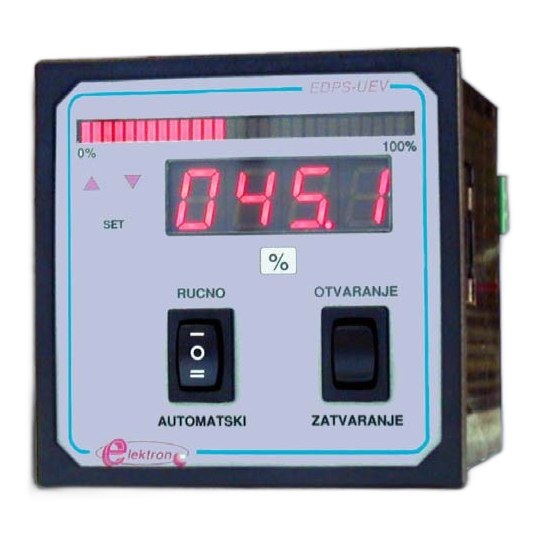
EDPS-UEV
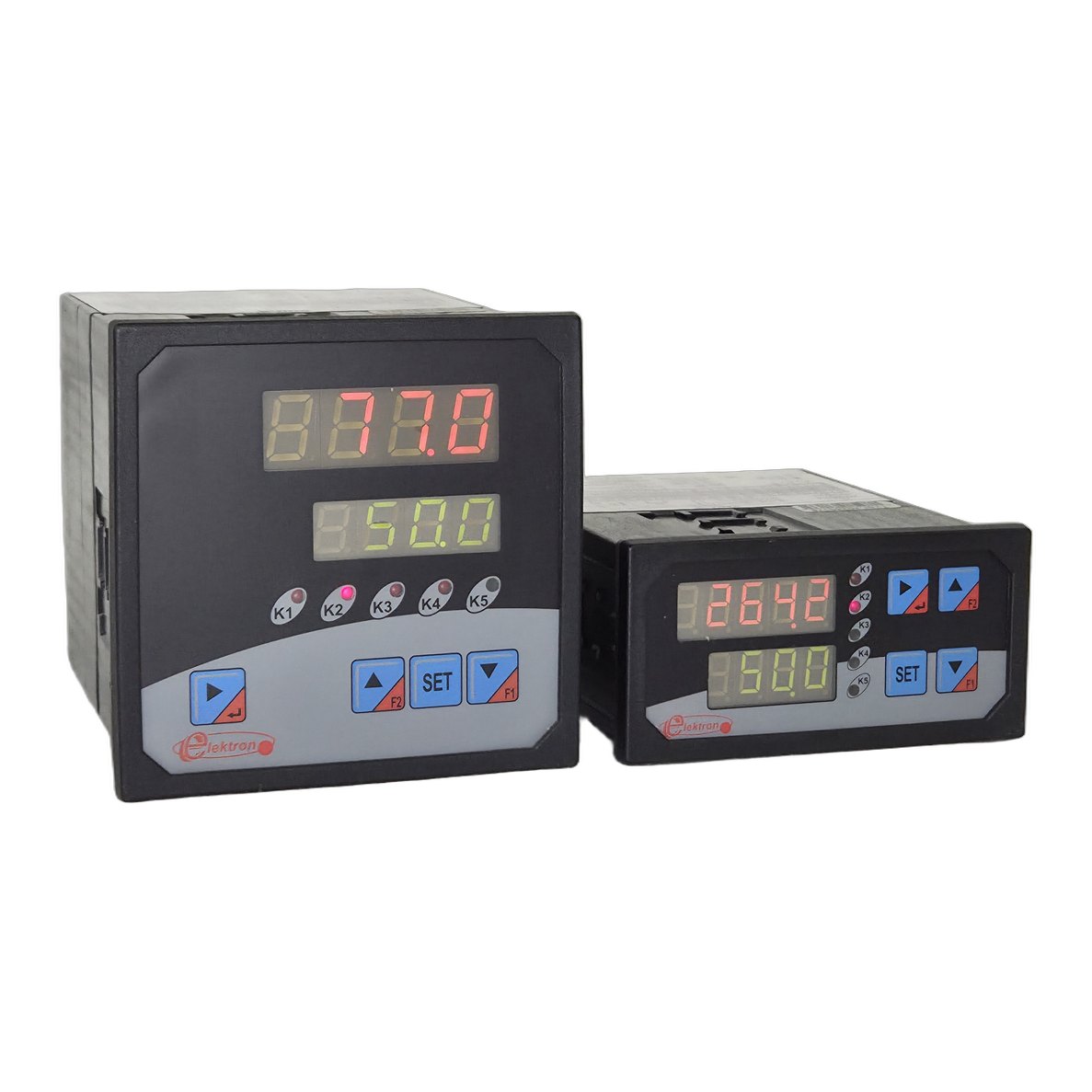
Device for manual control of an electric actuator independently of the control loop, e.g. a PLC. It shows the current actuator position and provides a position-dependent 0–20 mA output.
- Switching between manual (RU) / automatic (AUT)
- Position sensor input: potentiometer 0–100 kΩ, 0/4–20 mA or 0/2–10 V
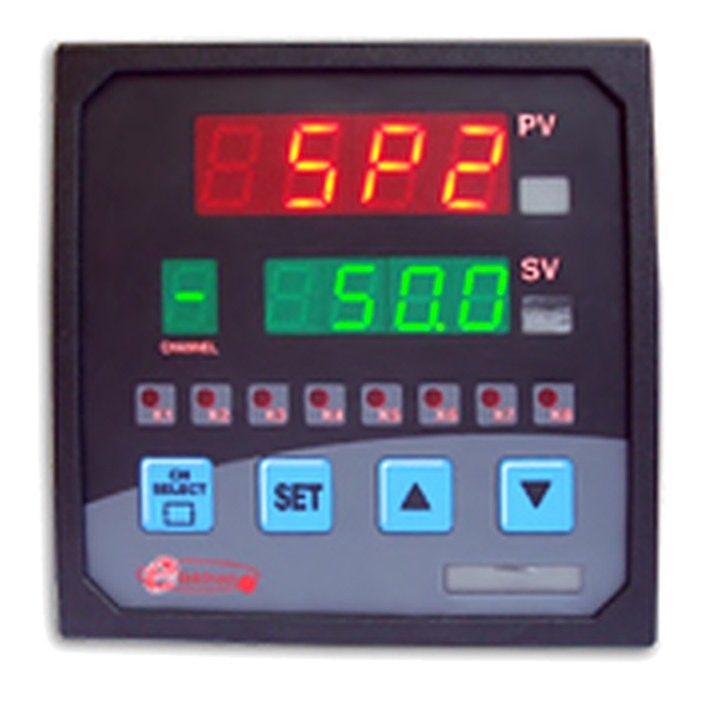
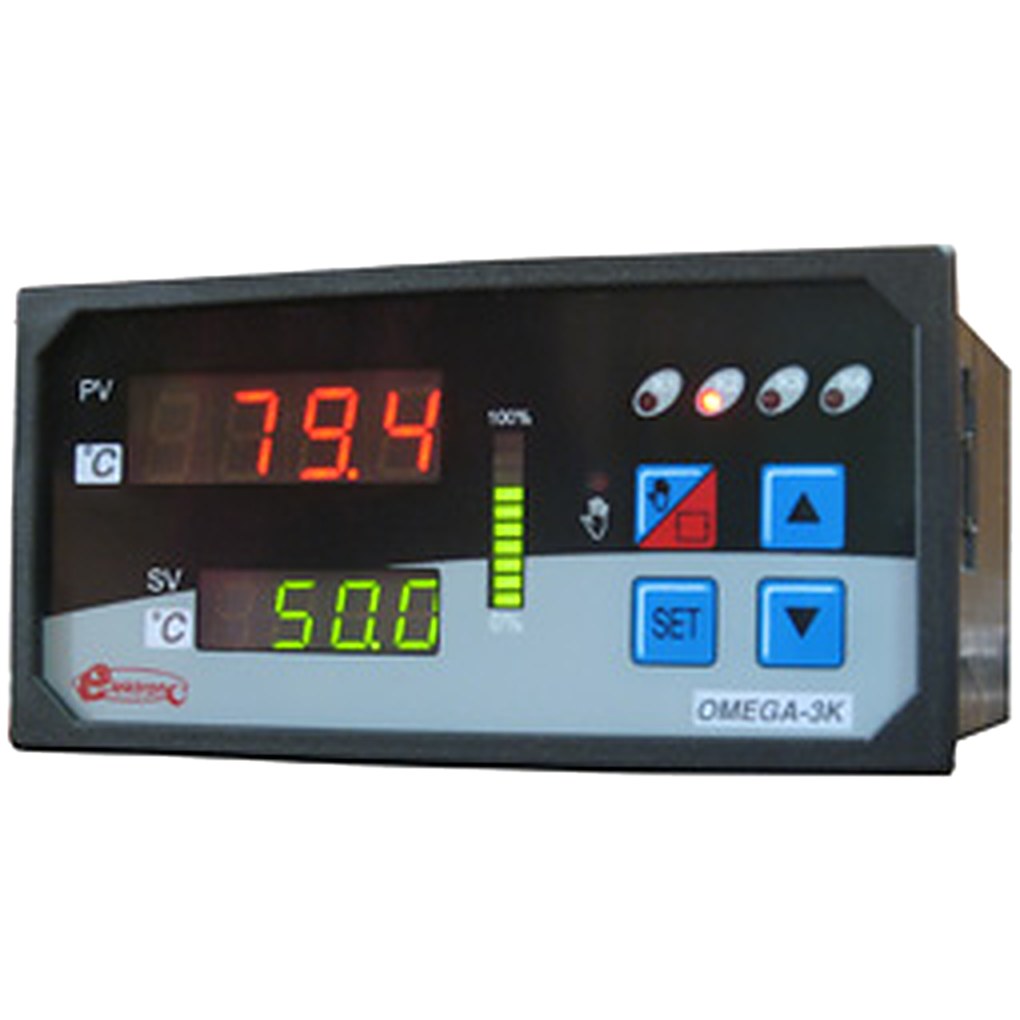
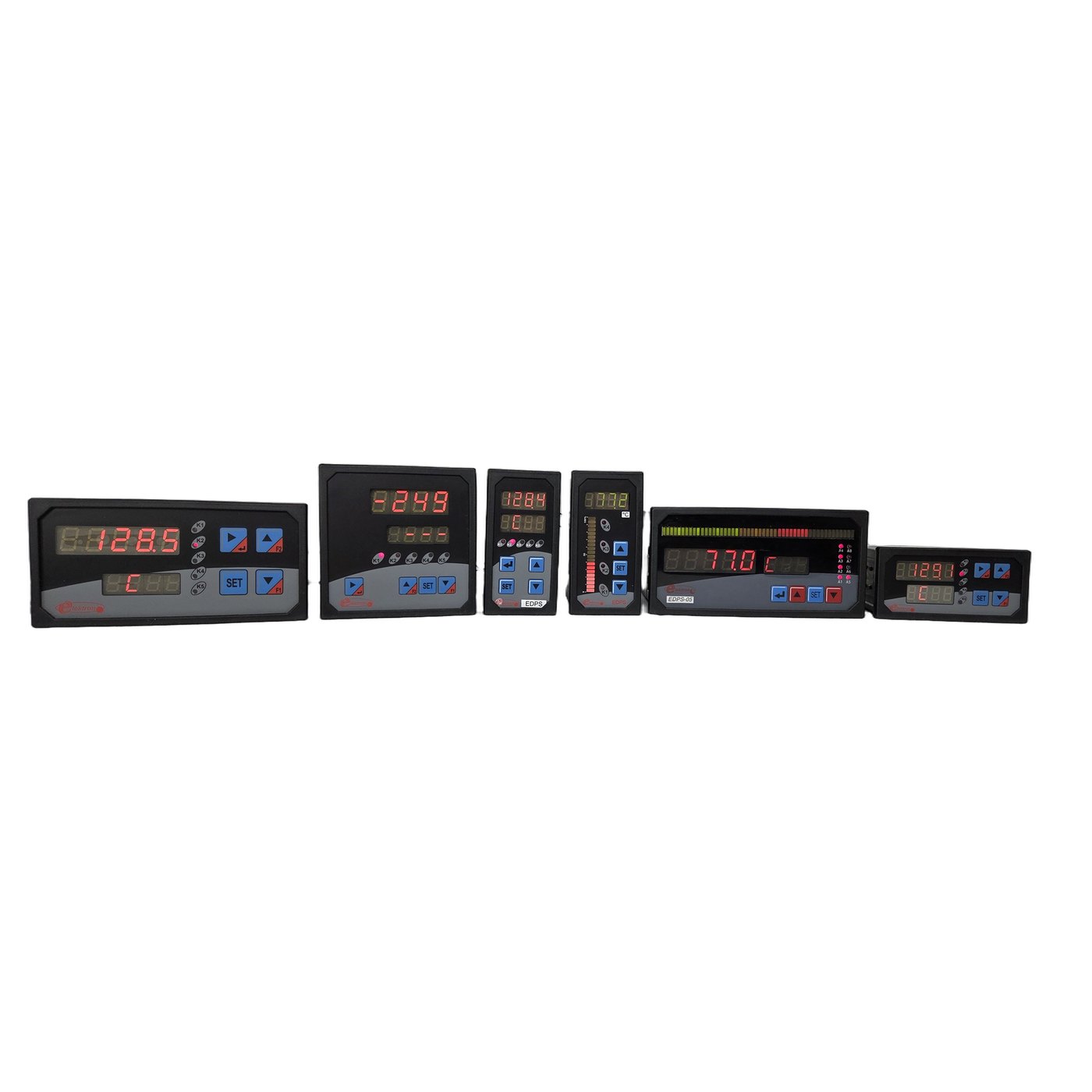
- Position shown on a 4-digit LED display and bargraph
- 0–20 mA output dependent on actuator position
- 2 relays 230 V AC / 5 A for the actuator
- Housing 96 × 96 mm
Description
EDPS-UEV is intended for processes in which the actuator must be controlled manually, independently of the control loop, e.g. PLC control. In the event of a power failure or a fault in the automatic control, the actuator is controlled in manual mode independently of the automatic control system.
The automatic control system is connected in series through the contacts of the device. In AUT mode the actuator is controlled by the automation, and in RU mode by the open and close commands on the device itself.
The device is software-configurable. The input from the position sensor can be a potentiometer or a standard signal. The continuous 0–20 mA output depends on the position of the electric motorised valve. The display is adjustable, and the minimum and maximum position values can be shifted.
Technical data
| Type | EDPS-UEV |
|---|---|
| Front panel | Membrane keypad |
| Mounting | Panel with cut-out |
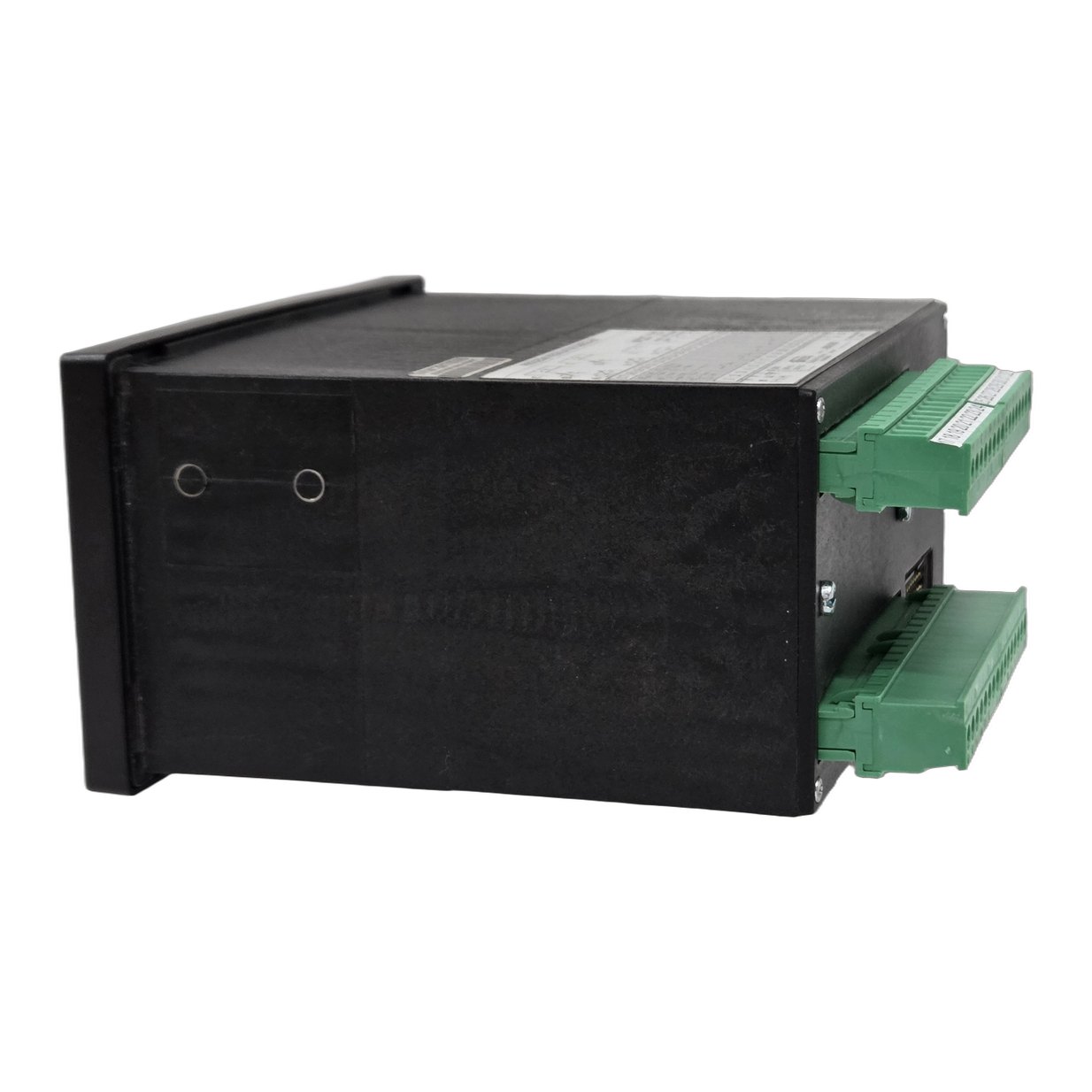
| Housing | 96x96x130 mm |
| Power supply | 230 Vac, 110 Vac, 24 Vac, 24 Vdc, on request |
| Display | 13 mm red LED display, 4 digits +bargraph |
| Input | Universal - software configurable Current: 0-20mA, 4-20mA Voltage: 0-2-10 V Resistance: 0-100 Kohm |
| Signal output | 0-20 mA |
| Control output (actuator) | 2 relays, 230 VAC / 5 A |
Documentation
01Technical documentation1
From the same category
Process controllers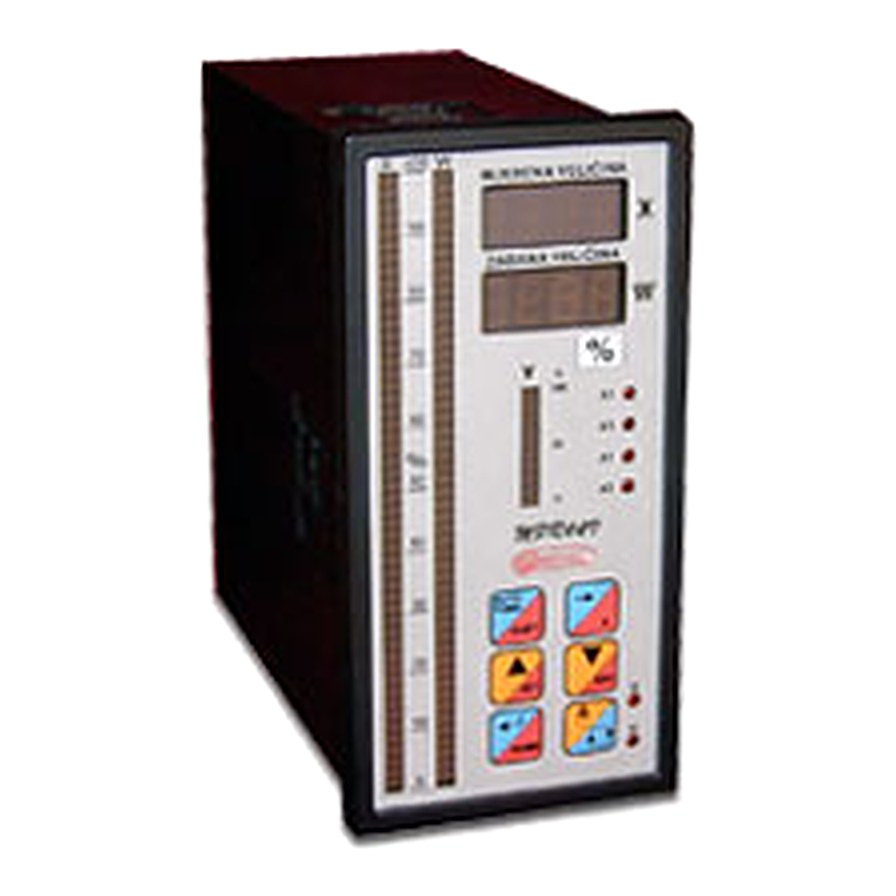
Help with selection
Describe your application and we will suggest a version and a catalogue number.
For an accurate reply, please state in your enquiry:
- 01The medium and its temperature
- 02Measuring range
- 03Output signal or power supply
- 04Type of mounting and connection